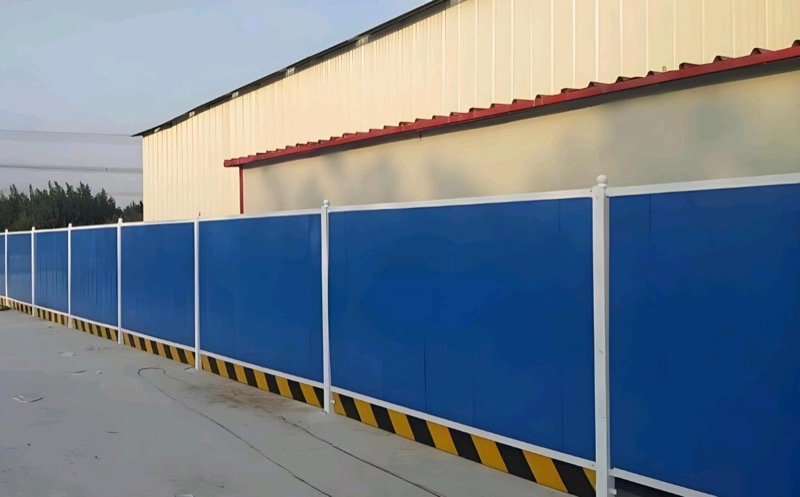
Construction hoardings primarily serve the following purposes and functions:
Isolation and protection function: Effectively isolates the construction area from the external environment, prevents unauthorized personnel from entering the construction site, and ensures construction and personnel safety.
Noise reduction and dust control function: Reduces the impact of noise generated during construction on the outside to a certain extent, and also blocks the spread of dust raised during construction.
Warning and alert function: Reminds passersby to pay attention to the construction area through eye-catching signs and patterns to avoid accidents.
Aesthetic screening function: Screens unsightly scenes within the construction site, while carefully designed hoardings can also enhance the overall image of the city or area.
Wind resistance function: Resists wind force to a certain extent, maintaining the relative stability of the construction site.
Versatility in decorative styles of hoardings:
1. Minimalist Modern Style: Characterized by concise lines and single colors, such as white, gray, etc., giving a tidy and elegant feeling.
2. Painted Art Style: Painting various artistic patterns, graffiti, cityscapes, etc., on the hoardings, full of creativity and vitality.
3. Cultural Style: Integrating local cultural elements, such as regionally characteristic architecture and traditional patterns, to showcase local cultural charm.
4. Green Eco-friendly Style: Decorating with plant patterns and slogans advocating environmental protection to reflect eco-friendly concepts.
5. Fashionable Style: Using popular color combinations and fashion elements, such as trendy geometric shapes, to keep up with the times.
6. Industrial Style: Using metal material decorations and rugged lines to create an industrial texture.
7. Retro Style: Incorporating retro elements, such as distressing treatments and vintage patterns, to create a nostalgic atmosphere.
8. Anime and Cartoon Style: Painting cute cartoon characters, full of childlike fun and joy.